
You’ll streamline caregiving with integrated technology solutions. Wearable alert devices provide real-time location tracking and fall detection. Medication management apps send reminders and track adherence, reducing hospitalizations. Connected health monitors—blood pressure cuffs, glucose meters, pulse oximeters—sync to smartphone dashboards for consolidated data. Secure messaging and video conferencing keep you connected with healthcare providers and family. These coordinated tools minimize clinic visits while ensuring immediate alerts for critical health changes. Uncover how each category transforms your caregiving approach.
Key Takeaways
- Wearable alert devices with fall detection and real-time location tracking provide safety monitoring for elderly relatives across Georgia.
- Medication management apps with barcode scanning and pharmacy integration prevent missed doses and dangerous drug interactions.
- Connected health trackers consolidate heart rate, blood pressure, glucose, and oxygen data into one accessible smartphone dashboard.
- Telehealth platforms and secure messaging enable face-to-face medical consultations and health information sharing without travel barriers.
- Automated alert systems notify caregivers immediately of critical health changes, reducing unnecessary clinic visits and hospitalizations.
Safety Monitoring
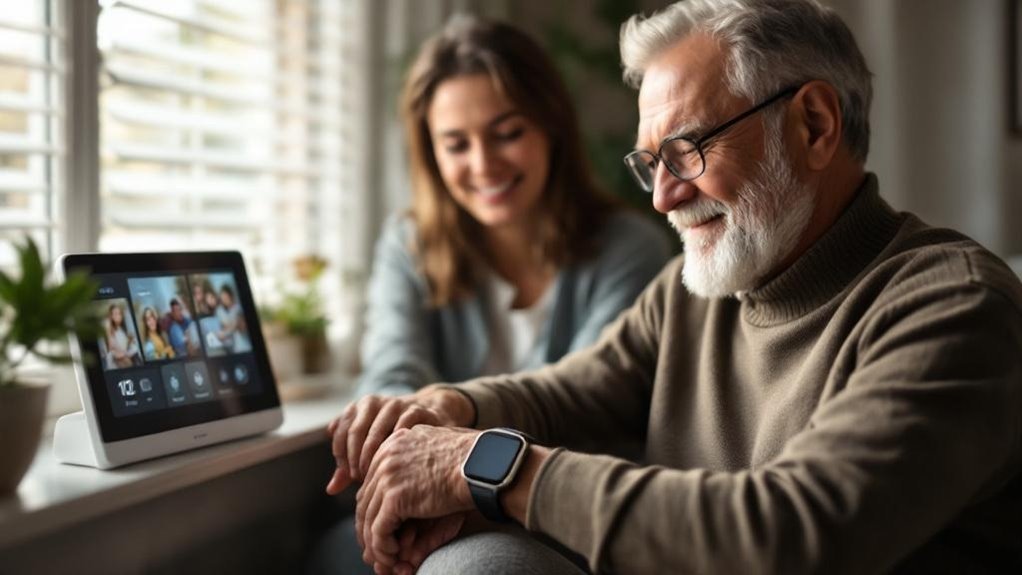
Constant vigilance doesn’t require you to hover over your loved one’s every move—modern safety monitoring tools handle much of that burden for you. Caregiver technology tools like wearable alert devices facilitate real-time location tracking and fall detection, sending immediate notifications when intervention’s needed. Motion sensors throughout your loved one’s home alert you to unusual activity patterns, helping identify potential health concerns early.
Caregiving apps devices sync with smartphones, providing seamless monitoring from anywhere. Video doorbells and smart cameras offer discreet observation without intrusive surveillance. Medication reminder systems track adherence automatically, eliminating missed doses that compromise health outcomes.
These solutions don’t replace your compassionate presence—they amplify your effectiveness. By automating routine monitoring, you’re freed to focus on meaningful interaction, emotional support, and quality time with your loved one while maintaining critical safety protocols.
Medication Management
Keeping track of multiple prescriptions, dosages, and schedules can quickly become overwhelming, but today’s medication management systems automate this critical task. You’ll find apps that send real-time reminders, alert you to potential drug interactions, and flag refill deadlines before supplies run out.
Pill organizers with built-in sensors detect when medications aren’t taken, immediately notifying you so you can follow up. Barcode scanning technology prevents dangerous medication errors by verifying the right drug reaches the right person at the right time.
These tools integrate with pharmacy records and doctor communications, eliminating confusion across healthcare providers. You’ll reduce hospitalizations caused by medication non-compliance and adverse reactions. By centralizing this information, you’re delivering safer, more coordinated care while considerably reducing your administrative burden.
Health Tracking
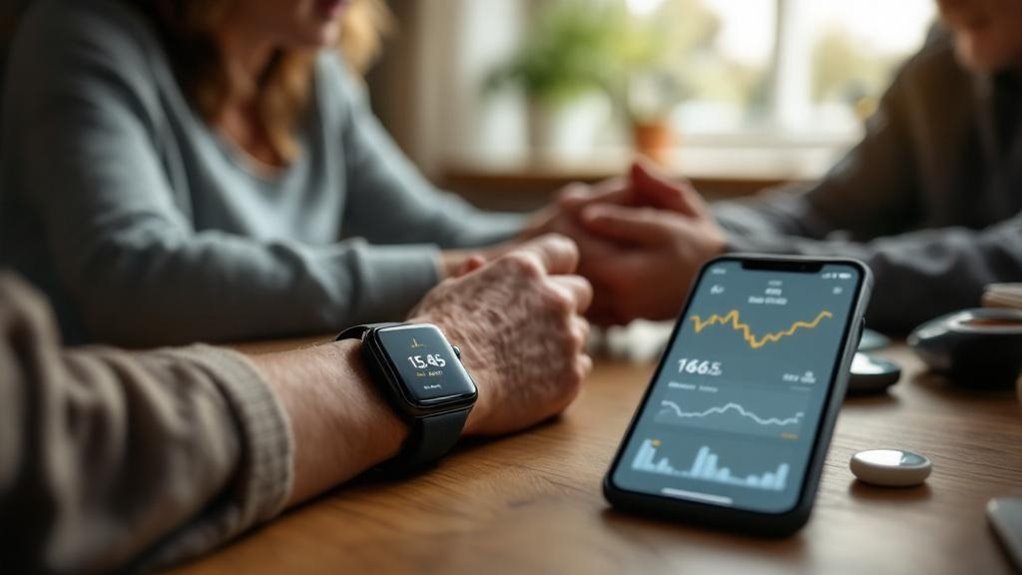
Monitoring crucial signs and health metrics across multiple conditions doesn’t have to drain your time or attention. You’ll find that modern health tracking devices integrate seamlessly into daily routines, capturing important data automatically and alerting you to significant changes.
| Device Type | Key Benefits |
|---|---|
| Wearable monitors | Continuous heart rate and sleep tracking |
| Blood pressure cuffs | Connected readings stored in cloud apps |
| Glucose meters | Automated diabetes management alerts |
| Pulse oximeters | Quick oxygen saturation checks |
You can synchronize these tools with smartphone apps, consolidating information in one accessible dashboard. This centralized approach allows you to identify patterns, share accurate data with healthcare providers, and make informed care decisions quickly. Remote monitoring additionally reduces unnecessary clinic visits while maintaining quality oversight of your care recipient’s health status.
Communication
Beyond tracking health data, you’ll need dependable channels to stay connected with your care recipient and their medical team. Video conferencing platforms facilitate face-to-face visits when distance prevents in-person contact. Secure messaging apps let you exchange sensitive health information with doctors without delays. Shared digital calendars synchronize appointments, medication schedules, and caregiver shifts across multiple family members. Telehealth services provide convenient medical consultations from home, reducing travel burden. Alert systems notify you immediately of falls, medication reminders, or crucial sign changes. Group texting apps consolidate communication from various providers into one accessible thread. Cloud-based patient portals grant you direct access to lab results, prescriptions, and clinical notes. These tools eliminate missed messages, reduce confusion, and guarantee coordinated care across your caregiving network.
Conclusion
You’re no longer drowning in scattered pill bottles, missed appointments, and worry. These tech solutions create a safety net around your loved one—real-time alerts illuminate potential health crises before they escalate. Your smartphone becomes mission control: medication reminders chime, essential signs stream seamlessly, and your healthcare team stays synchronized. You’ve transformed caregiving from chaotic juggling into streamlined management, reclaiming bandwidth for what matters most.